



A guide for older adults and families
Understanding Memory Support
When memory changes begin to affect your family, this guide can provide reassurance, perspective, and helpful information so you can move forward at your own pace.
Introduction
A note to caregivers and families
Most caregivers don’t set out expecting to become experts.

You may have arrived here after months, or even years, of noticing small shifts in your loved one's memory and behavior. You may still be wondering whether what you’re seeing is “enough” to matter. Or you may already be carrying a diagnosis that feels heavy, confusing, or incomplete.
There is no single roadmap, no standardized timeline, and no moment when everything suddenly becomes clear. Some families move quickly from questions to care decisions. Others linger in the middle space: learning, adapting, and hoping things will stabilize.
Wherever you are, we want you to know this: you are not late, behind, or failing. There is no universally “right” time to seek additional support. Seeking understanding is not a sign of weakness. It’s a reflection of care, responsibility, and love.
This guide was created to support you as you learn, reflect, and weigh options, whether or not Immanuel is the right fit for your family. Looking for information doesn’t mean you’ve decided anything. It simply means you’re paying attention.
Understanding memory changes: Dementia, Alzheimer's, and the causes
The language surrounding memory loss can feel overwhelming. Understanding a few foundational distinctions can help families feel more confident asking questions and interpreting what they hear from medical providers.

Dementia* is an umbrella term describing a group of symptoms affecting memory, thinking, communication, and daily functioning. A diagnosis is usually made when memory loss and at least two other cognitive areas are impaired enough to interfere with everyday life.
Alzheimer’s disease* is the most common cause of dementia and a progressive, terminal brain disease. Importantly, Alzheimer’s‑related changes in the brain can begin years before daily life is significantly disrupted.
There are many causes of dementia, and no two people experience it the same way. This explains why one person may live independently for years, while another needs hands‑on support much sooner. Health conditions, personality, lifestyle, and available support all influence how symptoms develop.
Some things to consider:
-
Alzheimer’s disease accounts for roughly two‑thirds of dementia cases.
-
Lewy body dementia and Parkinson's disease dementia symptoms often overlap.
-
Vascular dementia is caused by reduced blood flow to the brain.
-
Mixed dementias involve more than one cause.
- Frontotemporal dementia is often diagnosed at younger ages.
When families hear a diagnosis, it’s tempting to assume it explains everything. In reality, a diagnosis offers a framework, but care must always be individualized.
How symptoms may show up day-to-day
Memory changes rarely show up all at once. Caregivers often notice short‑term memory changes first. Forgetting recent conversations, meals, or plans while long‑held memories remain intact.

This can be confusing and emotionally difficult, especially when your loved one can vividly recall events from decades ago but not what happened this morning.*
Language and communication will also change. Word‑finding becomes harder. Responses take longer. Conversations may require more patience and repetition on both sides. Processing speed often slows, making it harder to follow fast‑moving conversations or multiple instructions.*
Repetition, looping questions, and changes in task management are common and often misunderstood. These behaviors are not intentional, manipulative, or careless.
They are signs of a brain working differently. One important reminder for caregivers: behavior is communication, especially when verbal expression is no longer reliable. Observing the person’s expressions, tone of voice, and movements can provide caregivers helpful clues to their unmet needs.
Unique patterns by diagnosis
While every individual’s experience with cognitive change is personal, certain diagnoses tend to follow recognizable patterns that caregivers often notice over time. Understanding these patterns isn’t about predicting what will happen; it helps families make sense of what they’re seeing now.

Alzheimer’s disease, the most common cause of dementia, often begins with short‑term memory loss and gradually affects language, reasoning, and physical function. Early changes can seem inconsistent, as people may compensate well at first. Alzheimer’s typically progresses slowly over many years, which can feel both manageable and emotionally demanding for families.
Lewy body dementia and Parkinson’s disease dementia often combine cognitive changes with movement concerns such as slowed movement, softer speech, or tremors. Fluctuations in alertness and visual hallucinations are more common, and sensitivity to certain medications makes close medical communication especially important. Many families describe the unpredictability, good days followed by more difficult ones, as one of the hardest aspects.
Vascular dementia results from reduced blood flow to the brain and can vary widely depending on the areas affected. Symptoms may fluctuate throughout the day, and depression is common, particularly when individuals are aware that their abilities have changed.
Frontotemporal dementia (FTD) often appears earlier and may first show up as personality or behavior changes rather than memory loss. Because FTD typically progresses more quickly, early education and support are especially important.
Many families are surprised to learn about mixed dementias, which occur when more than one disease characteristic is present and can explain why symptoms don’t fit one clear description.
The caregiver experience
Caregiving has a way of reshaping your life, often gradually. It rarely looks the way people imagine it will. Many caregivers begin by helping “just a little," managing appointments, offering reminders, and providing reassurance. Over time, responsibilities grow. Decisions become heavier. The emotional load increases, even if love remains constant.

It’s common for caregivers to experience chronic stress, guilt, grief, exhaustion, and isolation. The Alzheimer’s Association has identified emotional strain, financial pressure, lack of rest, and role changes as leading stressors for dementia caregivers today.
Many caregivers have promised a spouse, parent, or loved one that they would “take care of everything.” For some, that remains possible for a long time. For others, competing responsibilities, health issues, or the intensity of care make that promise harder to sustain safely.
Neither outcome reflects a failure. Stepping in, or stepping back, does not measure love. Sometimes the bravest choice is recognizing when additional support can help both the caregiver and the person they love.
Knowing when additional support may be needed
There’s rarely a single moment when families know it’s time for help. Instead, that realization often builds slowly, through long nights spent worrying about safety, close calls with driving or cooking, repeated falls, wandering, or a quiet but persistent feeling that the role of caregiver has become too much to manage alone.
Many caregivers also experience decision fatigue. They may feel constantly on alert, putting out one fire after another rather than having space to think ahead. When choices are finally made during a crisis, families often wish they’d had more time, support, and breathing room to explore options earlier.
Learning about memory support communities before reaching a crisis doesn’t force a decision, it restores choice. Researching early can reduce fear and allow families to move at a pace that feels thoughtful rather than urgent.
What to look for in a memory support community
Finding the right community isn’t about checking boxes, it’s about how a community feels to you and your loved ones. A strong memory support community understands that care is relational, not just operational.
Pay attention to the environment. Purposeful design uses clear signage, calming colors, familiar cues, and access to outdoor spaces to reduce anxiety and support independence. If you tour a community, ask how wandering is prevented and how safety is balanced without making residents feel confined.
Staffing matters. Ask about training, ongoing education, caregiver presence at different times of day, and how teams communicate with families when needs or behaviors change. Nutrition and hydration are also critical. Learn how meals are adapted as preferences shift or additional encouragement is needed.
How Immanuel approaches memory support
At Immanuel’s five memory support communities in Nebraska and Iowa, care is built around the person, not just the diagnosis. Each memory support community uses interdisciplinary teams that meet regularly to discuss residents’ evolving physical, emotional, spiritual, and cognitive needs. These teams include nursing, life enrichment, dining, wellness, and leadership voices, ensuring no single perspective drives care decisions.
Immanuel communities are secure. Residents take part in activities and daily routines within the memory support wing. They are accompanied by staff when attending special programs or outings outside the dedicated memory support household. They are also small (14 apartments at most) to keep the space feeling like a home and not institutional.
Families are included as partners. Education sessions, written resources, and ongoing conversations help caregivers feel informed rather than sidelined. Immanuel’s approach recognizes that memory support is not a one‑time decision but a continuing relationship.
There is no expectation that families “figure it out quickly.” Immanuel’s role is to walk alongside, answer questions honestly, and adjust care as needs evolve.
Immanuel's specialized training & evidence-based care
Training shapes culture and culture shapes daily life.
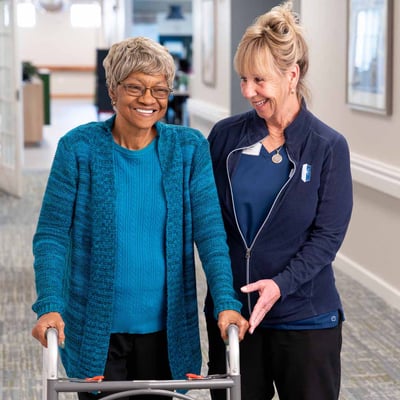
Immanuel staff complete National Council of Certified Dementia Practitioners (NCCDP)‑recognized Alzheimer’s and dementia care training that exceeds state requirements and is aligned with curricula reviewed by the Alzheimer’s Association. Training is ongoing and updated every two years, ensuring care reflects current research and best practices.
Topics include:
-
Understanding all major dementia types
- Communication strategies
- Interpreting behaviors as communication
- Supporting ADLs with dignity
- Spiritual care and end‑of‑life considerations
- Neglect prevention
This depth of training translates directly into calmer interactions, safer care, and more consistent experiences for residents and families.
Meaningful engagement & connection
Engagement remains essential at every stage of memory change.
Immanuel’s memory support communities use LifeLoop, a person‑centered engagement and family‑connection platform. LifeLoop allows teams to personalize activities, track engagement, and keep families informed through regular updates and photos.
Additional evidence‑based programs include:
-
iN2L touch‑screen technology for cognitive stimulation and reminiscence
-
SingFit, a therapeutic music program supporting brain health and movement
-
Fitness programming tailored for memory support residents
-
Virtual reality experiences for travel, reminiscence, and calming sensory engagement
-
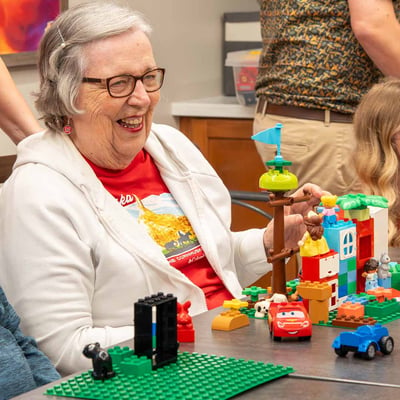
LEGO® therapeutic programming, which supports focus, dexterity, and connection
- Life Story interviews support engagement around each resident’s history
The goal is never just activity, it is purpose, joy, and human connection.
Helpful resources

Planning ahead with memory change is rarely about checking items off a list. For many families, it brings up complicated emotions: sadness, fear, resistance, and sometimes relief.
It can feel premature to discuss future care when today already feels overwhelming. Yet avoiding these conversations often increases stress later, when choices feel rushed or limited.
There is no required next step. All are valid. There is a lot of information available, and it can feel overwhelming to know where to begin. Many families find the following resources helpful:
-
Alzheimer’s Association helpline and support groups
- Local caregiver support organizations
-
Safety programs such as Project Lifesaver and MedicAlert’s Safe & Found™
-
Educational tools from the National Institute on Aging

Next Steps
Moving forward with confidence
Finding the right memory support community is a deeply personal decision for both you and your family. As you continue your journey, take these next steps at a pace that feels right for everyone involved:
-
Visit a community in person
There’s no substitute for experiencing a community firsthand. Walk the halls, meet the team, and get a feel for daily life. For older adults, it’s a chance to picture comfort, connection, and peace of mind. For family members, it offers reassurance that your loved one will be supported with compassion and dignity.
-
Talk with residents in the communities you are evaluating
One of the most meaningful ways to understand a community is by listening to residents and their families. Their experiences can provide honest insight into what day-to-day life truly feels like.
-
Talk openly as a family
Conversations today can ease decisions tomorrow. Take time to talk about what matters most; whether it’s location, specialized care, routines, or personal preferences. When everyone feels heard, it builds trust and helps ensure decisions reflect your loved one’s values and wishes.