



A guide for older adults and families
Myths vs. Realities of Retirement Living
What are the common misconceptions about retirement living? Here we offer clarity, clear reassurance and real resident experiences to older adults and their families.
Introduction
Let’s talk openly about moving into a retirement community
Considering a move to a retirement community is a big decision, and it’s completely natural to feel overwhelmed by it. For many older adults, the thought alone can stir up worry, hesitation, or even fear. Questions about losing independence, affording the transition, or simply uprooting from the familiar can feel heavy and deeply personal.

Those feelings are very common, and they’re valid. It makes sense to be cautious when so much of your daily life and comfort are tied to what you know. At the same time, it’s okay to explore what life could look like with the right support, at your own pace and on your own terms.
In conversations with older adults, we often hear:
- “I’m not sure I’m ready.”
- “Will I be able to come and go as I want?”
- “What if it’s too expensive?”
These are reasonable, thoughtful questions rooted in real-life experience. And yet, when we talk with seniors who chose to move into an Immanuel retirement living community, a different theme emerges: “I wish I’d moved sooner.”
Not because they felt pressured, but because they discovered that many of their fears didn’t reflect what daily life is like in many of today’s retirement living communities. And it’s important to be honest: not every retirement community is the same. Some places may still operate with outdated models or limited choices, so the concerns you’ve heard or experienced are valid.
However, national research* shows that many perceptions of retirement living come from older versions of these communities, ones that no longer represent the growing number of organizations focused on dignity, safety, meaningful engagement, and whole-person wellness. The reality is that while some communities haven’t changed, many have evolved significantly, creating opportunities and environments where older adults can thrive, not just reside.
The goal of this guide is simple: to acknowledge the concerns you or your loved one may be feeling, explore where they come from, and share the realities Immanuel residents experience once they’ve made the move. This isn’t a brochure about our services; it’s just information to help you make confident decisions at your own pace.
Myth #1
‘I’ll lose my independence’
Why this worry exists: Most older adults have spent decades shaping their own routines and making independent decisions, so feeling uncertain or ambivalent about a move is completely natural. Many people still imagine retirement communities as rigid or limiting, often based on older models or past experiences that didn’t leave a great impression.

But today, many communities are built to honor that life-long independence, not take it away. Your concerns come from wanting to protect the rhythms and choices that make life feel like yours, and that matters. By talking openly about these fears, we can show how modern retirement living is designed to support your autonomy, comfort, and well‑being every step of the way.
What Immanuel residents have discovered
Independence often increases because daily burdens decrease. Without home repairs, yardwork, snow removal, or surprise maintenance issues, residents have more time and energy for what matters to them. Many describe the shift as regaining their freedom, not losing it.
Examples of regained independence often include:
-
Being able to travel, take extended trips, or visit family without worrying about their home. Many independent living residents spend their winters in warmer states like Arizona or Florida. At Immanuel, we help maintain their homes while they are away.
-
Choosing how much or how little to participate in activities. A resident might join morning fitness classes, enjoy a chef-prepared lunch with neighbors, or simply spend a quiet afternoon in their apartment. The choice to engage belongs fully to them, without expectation or pressure.
-
Managing their own schedule while having support nearby. In independent living, older adults set their own routines, appointments, and outings. They maintain full control of their day-to-day life, knowing that if something unexpected comes up, like needing a quick assist with transportation or a wellness check, trained staff are available. Support is present, but never intrusive.
-
Once residents no longer need to manage home maintenance, seasonal chores, or physically demanding repairs, they often find more energy for the activities they enjoy. Immanuel’s maintenance-free living reduces the risk of falls or injury and allows residents to stay active.
National research* aligns with these experiences; when physical and emotional burdens lessen, confidence and autonomy often grow.
MYTH #2
‘Retirement communities feel institutional’
Why this worry exists: When some think of retirement living, they picture long hallways and clinical designs. For some retirement living organizations, that image is still accurate. If that’s your mental picture, your hesitation makes perfect sense. Not every retirement community offers the warmth, amenities, and quality you’ll find at Immanuel.
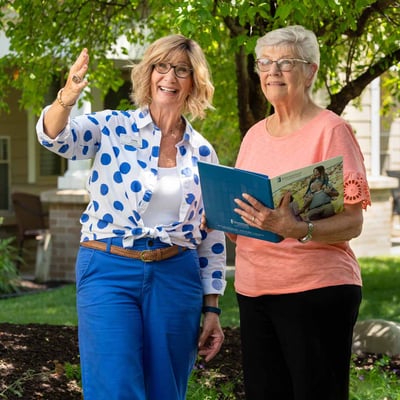
That’s why seeing spaces firsthand, asking detailed questions, and comparing options matters, so you can choose a place that truly feels like home. Brochures and marketing flyers can make a community look amazing, but there’s no replacement for visiting in person and truly experiencing the community.
What Immanuel residents have discovered
Immanuel’s retirement communities prioritize warmth, comfort, and beauty. Private apartments, patio homes, and townhomes are designed with the same finishes and layouts you’d expect in a modern home. They are also routinely updated and remodeled to maintain a clean, contemporary, and up-to-date feel. Open spaces, updated kitchens, and bright natural light create a warm and inviting space residents can confidently call home.
Community spaces are built with a welcoming, residential style, including:
-
Cozy fireside seating areas
-
Restaurant-style dining rooms
-
Wellness centers and spaces for activities
-
Libraries and craft rooms
-
Patios, courtyards, and walking paths surrounded by nature
Retirement living at Immanuel is designed to feel like home, with the right level of support at the right time. In independent living and assisted living, spaces are warm, comfortable, and home-like, so daily life feels familiar and personal. In higher levels of care such as skilled nursing, some clinical features are intentionally present to ensure safety and timely medical support. Even then, our focus remains the same: dignity, compassion, and a sense of belonging.
MYTH #3
‘It’s too expensive compared to staying home’
Why this worry exists: For many older adults and families, the first look at retirement living costs can feel overwhelming. It’s natural to experience sticker shock, especially when you’re comparing it to a home that may be fully paid off. On the surface, staying at home seems simpler and far less expensive.

But most people don’t track the true, ongoing costs of homeownership or the unpredictable expenses that come with aging at home. What feels affordable at first glance can look very different once you factor in maintenance, repairs, utilities, transportation, groceries, safety upgrades, in-home support, and the emotional cost of managing it all.
By acknowledging those initial worries and taking a closer look together, families often discover they’re comparing a single monthly fee to a long list of hidden expenses, and that retirement living can offer both value and peace of mind that isn’t always visible upfront.
For many adult children, that peace of mind carries an intangible value of its own: knowing a parent is safe, supported, and engaged. It’s a sense of reassurance that can be truly priceless.
What Immanuel residents have discovered
Homeownership carries costs that aren’t always visible month-to-month. Many older adults are surprised when they start adding them up:
-
Property taxes and homeowner’s insurance
-
Utilities, internet, and trash service
-
Lawn care, snow removal, and exterior maintenance
-
Appliance replacements and home repairs
-
Safety modifications (grab bars, ramps, lighting, etc.)
-
Private in-home support if it becomes needed
By contrast, retirement living combines many of these into one monthly rate, creating a predictable financial picture that’s easier to manage.
Residents often describe this change as genuine relief, even when the monthly totals are similar. On a retired income, unexpected costs can feel especially stressful, there isn’t an easy way to pick up extra shifts or make up the difference, and no one wants to feel forced back into work. Predictable, month-to-month expenses remove that worry. With one consistent fee instead of fluctuating bills and surprise repairs, there’s less financial anxiety and more room to breathe. For many, that stability brings real peace of mind, freeing up energy for the people and pursuits that matter most.
MYTH #4
‘I’ll be lonely’
Why this worry exists: Leaving a long-time home often brings a very real fear of losing the comfort of what’s familiar. After years – sometimes decades – of living in the same place, routines, neighbors, and surroundings become part of a person’s identity. Changing that at an older age can feel especially hard.
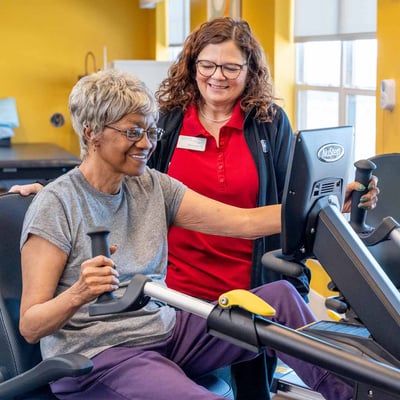
Many older adults worry they’ll lose social connections or struggle to “fit in” somewhere new. These feelings aren’t resistance; they’re a natural response to stepping away from what’s known and safe. Recognizing those emotions is important, and it opens the door to exploring how community living can offer new connections and a sense of belonging, without asking anyone to leave their identity behind.
What Immanuel residents have discovered
Community life offers easy, natural opportunities for connection. As people age, their social circles often change in ways they don’t expect. Early adulthood is filled with constant interaction: school, work, raising families, and community involvement. But over time, friends move away, routines shift, loved ones pass, and opportunities for casual connection naturally shrink.
Many older adults feel this narrowing more sharply after retirement. Moving into a retirement community can reverse that pattern. Instead of social circles growing smaller, they begin to expand again, with new neighbors, shared interests, and daily opportunities for meaningful interaction:
-
Seeing familiar faces at lunch
-
Meeting neighbors on the patio or in wellness classes
-
Attending programs or outings based on personal interests
-
Having the option to join clubs, not the obligation
Residents choose their level of involvement, and everyone respects each person’s pace. National studies consistently show that social engagement supports emotional and physical well-being.* For many, the community becomes a built-in support system, available when they want it, never required when they don’t.
MYTH #5
‘I should wait until I need care’
Why this worry exists: Many older adults worry that moving into a retirement living community too early means giving up independence before it’s truly necessary. That feeling comes from a lifetime of believing you only move when you have no other choice, and it’s completely understandable. Change is hard, especially when it involves leaving a familiar home and routine.
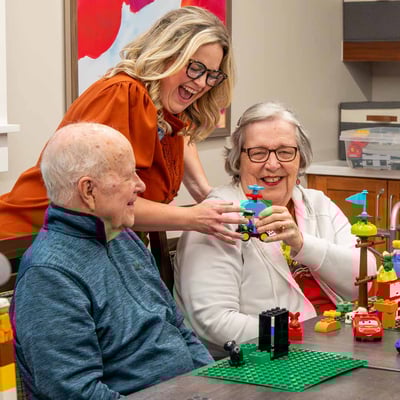
But moving before a crisis can actually protect independence. At Immanuel, settling in earlier allows residents to adjust at their own pace. This also gives them the opportunity to take advantage of our care navigation program, which helps guide health decisions with clarity and support when it’s needed. And if an emergency or sudden health change occurs, being part of the community ensures priority access to Immanuel’s full continuum of care, removing the stress of rushed decisions when it matters most.
What Immanuel residents have discovered
Moving before a crisis gives older adults the chance to settle in on their own terms. They prefer to move while they’re active, healthy, and able to take advantage of everything the community offers.
Residents tell us that making the move earlier helped them:
-
Build friendships without feeling rushed
-
Learn the layout and routines comfortably
-
Participate in activities that keep them healthier
-
Reduce stress for themselves and their families
-
Avoid making difficult decisions during a health event
Proactive decisions often lead to greater stability and satisfaction, without giving up independence.
MYTH #6
‘Downsizing will be too hard’
Why this worry exists: Downsizing isn’t just logistical, it’s emotional. Many older adults look around a life-long home full of memories, furniture, and keepsakes and instantly imagine being forced into a much smaller apartment, selling off everything they love, or making decisions they’re not ready for. That fear alone can stop the moving process before it even starts. Belongings carry meaning, and the thought of sorting through decades of life can feel overwhelming.

What Immanuel residents have discovered
While the process can be emotional, it’s rarely as difficult as they imagined, especially when taken step-by-step. Many are surprised by how supported the process feels and how freeing it becomes.
Immanuel provides guidance and planning resources, including:
-
Tips for organizing and letting go at a comfortable pace
-
Recommendations for professionals who specialize in senior moves
-
Recommendations for donation centers
-
Resources for listing or selling your home
Residents often report that the emotional load lightens once they begin. When approached with the right support, downsizing becomes an empowering step rather than a stressful one. For those worried about downsizing, many communities offer multi‑bedroom apartments, or townhomes that feel reassuringly close in size and comfort to a traditional residential home.
A move to a retirement community isn’t something that happens overnight, and it shouldn’t. As the Baby Boomer Generation continues to age, demand for retirement living is rising nationwide, and immediate availability in many communities is becoming less common. This often means new residents have months, and sometimes longer, to plan their transition at a comfortable, low-pressure pace.
That time becomes an advantage: time to sort through belongings slowly, make intentional decisions, and keep what matters most without feeling rushed to sell or give things away.
It’s OK to talk about your fears and concerns
Moving to a retirement community is one of life’s more meaningful decisions, not something to rush, and not something to take lightly. As you gather information and explore your options, many older adults find that the realities of retirement living offer:

-
More free time and fewer household responsibilities
- A more active and engaged lifestyle
-
A community of others who are in the same stage of life
-
Predictable budgeting and reduced financial surprises
-
Peace of mind for both residents and their families
How do you know when the time is right?
The goal of this guide is not to tell you when or how to make the move, but to create clarity so you can decide what feels right. It’s completely normal to feel torn; part of you may be curious about what community life could offer, while another part holds tightly to the comfort of what you know. That ambivalence is a natural way of protecting yourself when facing a big decision.
Instead of fighting those feelings, it can help to explore them with gentle, honest questions:
-
Is managing my home becoming more stressful or physically demanding?
-
Do I have less opportunities to be around others my age?
-
Do I feel prepared if my health or mobility changes suddenly?
-
What kind of support would bring me peace of mind?
There are no right or wrong answers, only insights that help you understand your own needs, hopes, and concerns. The more clarity you gain, the easier it becomes to recognize when the timing feels right for you.
Next Steps
Your retirement, your terms
If you’d like to continue exploring, here are simple next steps that you can take at your own pace:
-
Schedule a community tour to experience daily life firsthand
Seeing a community in person is the best way to understand its atmosphere, amenities, and culture. For seniors, it’s an opportunity to envision their next chapter; for families, it’s a chance to ensure the lifestyle and services align with their loved one’s values.
-
Talk with residents in the communities you are evaluating
Get honest feedback from those who have made the move. Also consider attending an informational session to ask questions in a casual setting.
-
Discuss care preferences with your family
Open conversations now prevent stress later. Whether it’s location, lifestyle, or specific health needs, sharing wishes and expectations helps seniors feel heard, and families feel confident about future decisions. These discussions create clarity and strengthen trust.
-
Review financial options
Understanding costs and available financial plans is key to long-term security. Explore payment structures, insurance coverage, and potential benefits together so you can make informed choices that fit your budget and goals.